Seated Tai Chi for Seniors — Complete Practice Guide
Seated tai chi for seniors is one of the most effective, gentle forms of exercise available to older adults. This complete guide covers everything you need to know about seated tai chi for seniors — from the science-backed health benefits to practical exercise instructions you can start using today. Whether you are a senior looking to begin seated tai chi or a caregiver seeking safe exercise options, this guide is for you.
What Makes Seated Tai Chi for Seniors Special?
Seated tai chi for seniors is not simply "regular tai chi done while sitting." It is a thoughtfully adapted practice that addresses the specific health priorities of older adults. Seated tai chi for seniors prioritizes fall prevention, joint health, cardiovascular wellness, and cognitive stimulation — the four pillars of healthy aging.
The beauty of seated tai chi for seniors is its combination of physical and mental exercise. Every seated tai chi session engages your muscles, challenges your coordination, and calms your mind simultaneously. This dual benefit makes seated tai chi for seniors one of the few exercises recommended by both physical therapists and mental health professionals for older adults.
Health Benefits of Seated Tai Chi for Seniors
Research from leading medical institutions consistently supports the benefits of seated tai chi for seniors:
Physical Benefits
- Improved flexibility — Seated tai chi for seniors gently stretches muscles and increases joint range of motion. Shoulders, wrists, spine, and hips all benefit from the circular, flowing movements.
- Better balance — Even while seated, tai chi exercises strengthen core muscles and improve proprioception, which translates to better balance when standing and walking.
- Pain reduction — The Arthritis Foundation specifically recommends seated tai chi for seniors with osteoarthritis, rheumatoid arthritis, and chronic pain conditions.
- Cardiovascular health — The deep breathing and gentle movement of seated tai chi for seniors can lower blood pressure, improve heart rate variability, and reduce cardiovascular risk factors.
Mental & Emotional Benefits
- Stress reduction — Seated tai chi for seniors activates the parasympathetic nervous system, reducing cortisol levels and promoting relaxation.
- Cognitive function — Learning and remembering movement sequences stimulates brain activity. Harvard Medical School research suggests tai chi may slow cognitive decline in seniors.
- Mood improvement — Regular seated tai chi for seniors practice has been associated with reduced symptoms of depression and anxiety.
- Better sleep — Many seniors report improved sleep quality after establishing a regular seated tai chi practice.
Essential Seated Tai Chi Movements for Seniors
These seated tai chi for seniors movements form a complete practice routine:
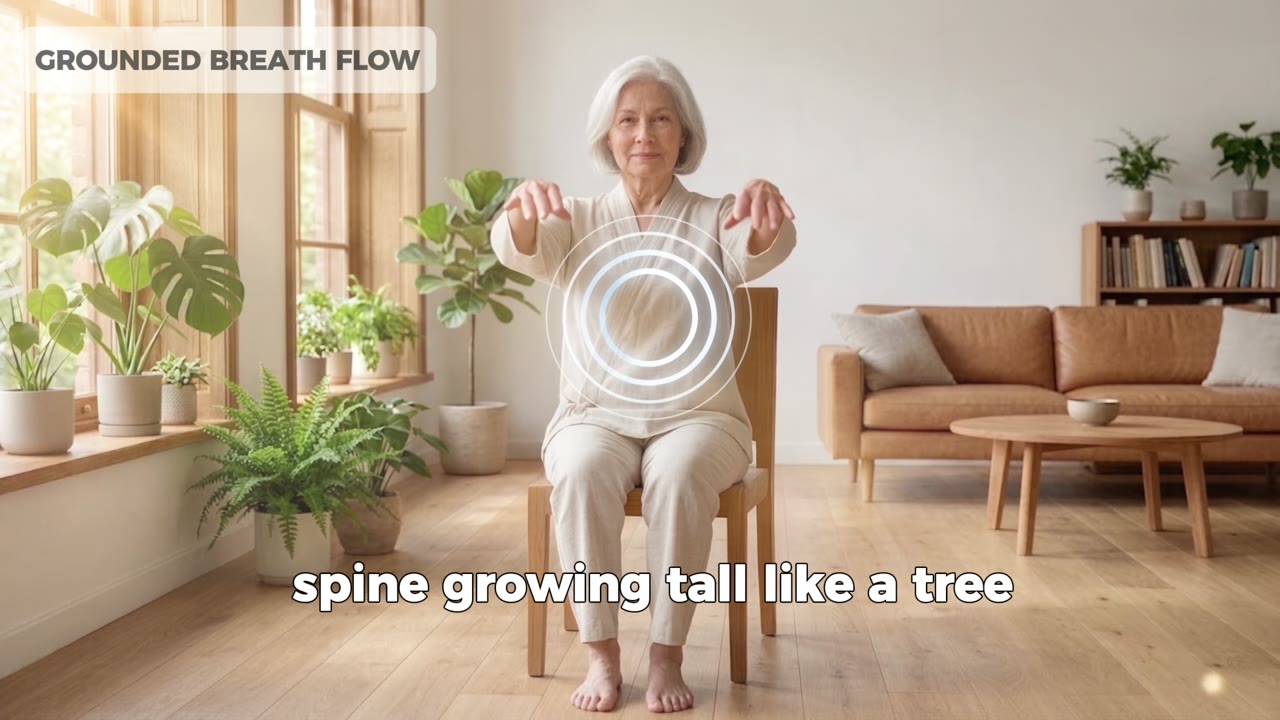
1. Gathering Qi (Opening Form)
This foundational seated tai chi for seniors movement centers your mind and establishes breathing rhythm. Raise your hands slowly while inhaling, lower while exhaling. Simple yet profoundly calming.
2. Cloud Hands
The signature seated tai chi for seniors movement. Arms flow in circular patterns driven by gentle waist rotation. Improves shoulder mobility and coordination.
3. Golden Rooster Stands on One Leg (Seated Adaptation)
Lift one knee slightly while raising the opposite hand. This seated tai chi for seniors exercise improves hip flexor strength and seated balance. Alternate sides 6 times each.
4. Brush Knee and Twist
Sweep one hand across your knee while pressing forward with the other. This seated tai chi for seniors movement develops arm coordination and trunk rotation.
5. Push Hands (Seated Partner Exercise)
If practicing with a partner, seated push hands is a wonderful social seated tai chi for seniors exercise. Partners sit facing each other and gently press palms in circular patterns, developing sensitivity and connection.
Creating a Safe Practice Environment for Seated Tai Chi for Seniors
Safety considerations specific to seated tai chi for seniors:
- Chair selection — Use a sturdy, stable chair without wheels. Height should allow feet to rest flat on the floor. Avoid chairs that are too deep or too soft.
- Floor surface — Place your chair on a non-slip surface. If practicing on a hard floor, consider a small rug or yoga mat under your feet for comfort.
- Room temperature — Practice seated tai chi for seniors in a comfortably warm room. Cold muscles are more prone to strain.
- Hydration — Have a glass of water nearby. Even gentle seated tai chi for seniors practice benefits from proper hydration.
- Medical clearance — Consult your physician before beginning seated tai chi for seniors, especially if you have severe osteoporosis, recent fractures, heart conditions, or uncontrolled blood pressure.
Weekly Seated Tai Chi for Seniors Schedule
For optimal results, follow this progressive weekly schedule:
Weeks 1–2: Practice seated tai chi for seniors 3 times per week, 10 minutes per session. Focus on breathing and Opening/Closing Forms.
Weeks 3–4: Increase to 4 times per week, 15 minutes per session. Add Cloud Hands and Brush Knee.
Weeks 5–8: Practice seated tai chi for seniors 5 times per week, 20 minutes per session. Include all movements.
Month 3 onward: Daily practice of seated tai chi for seniors, 20–30 minutes. This is where the deepest benefits emerge — improved balance, reduced pain, better sleep, and enhanced well-being.
More Resources for Seated Tai Chi for Seniors
Expand your seated tai chi for seniors practice with these free resources:
- Chair Tai Chi Exercises — Complete exercise library with step-by-step instructions
- Chair Tai Chi for Seniors — Our comprehensive seniors guide with safety tips
- Seated Tai Chi Exercises for Seniors — Additional exercises designed for senior practitioners
- Free Chair Tai Chi for Seniors — Download free PDFs and access video playlists
- Armchair Tai Chi — Exercises adapted for armchairs and recliners
- Chair Tai Chi for Beginners — Our beginner-friendly starting guide
- I Ching & Bazi & Feng Shui — I Ching, Bazi, and Feng Shui resources
Seated tai chi for seniors is a gift you give yourself every time you practice. Start today — your body and mind will thank you.