Chair Exercises for Seniors — Free Safe At-Home Routine
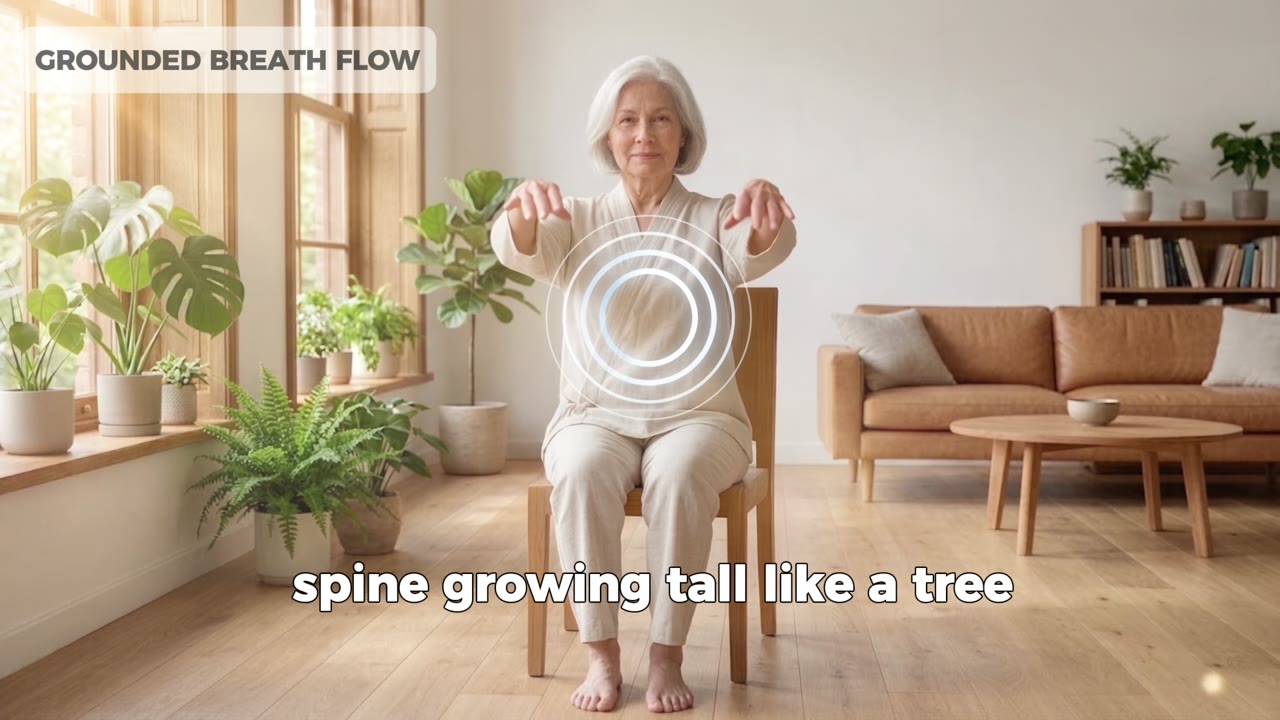 Follow-along videoTry 4 free seated tai chi steps, no sign-up
Chair exercises for seniors are one of the safest ways to build a consistent movement habit at home. If standing workouts feel tiring, walking is not always practical, or balance is a concern, chair exercises for seniors make it easier to stay active without needing special equipment or a gym membership. The goal is not intensity. The goal is to improve circulation, loosen stiff joints, strengthen the muscles that support everyday movement, and help you feel more steady and confident.
At ChairTaiChi.org, we keep our guidance free and easy to use. That matters because many older adults never start a routine if the program is hidden behind a login, a paywall, or a confusing app. Good chair exercises for seniors should be simple to begin, gentle enough to repeat, and structured enough to build progress over time.

Why Chair Exercises for Seniors Work
The best chair exercises for seniors solve three real problems at once. First, they lower the barrier to entry because the seated position feels safer. Second, they reduce joint stress compared with high-impact activity. Third, they can be repeated often enough to produce results. That repeatability is what makes chair exercises for seniors so powerful.
When older adults stop moving because they are afraid of pain or falling, stiffness tends to get worse. Shoulders tighten. Ankles lose mobility. Posture collapses. Getting up from a chair becomes harder. A well-designed chair routine works in the opposite direction. Gentle seated movement wakes up the upper body, the trunk, the hips, the knees, and the ankles. It also creates a calm mental rhythm, which is why many people stick with chair-based exercise longer than they stick with more aggressive plans.
Another advantage of chair exercises for seniors is adaptability. Some days you may feel energetic and complete a full 15-minute session. Other days you may only do five minutes of breathing, marching, and arm circles. That still counts. Consistency matters more than perfection.
A 10-Minute Chair Exercises for Seniors Routine
Use this short sequence as your starter routine. These chair exercises for seniors can be done with a sturdy chair, both feet flat on the floor, and enough room to move your arms freely.
1. Seated Posture Reset
Sit tall near the front of the chair. Lengthen through the crown of the head, relax the shoulders, and rest your hands on your thighs. Take five slow breaths. This posture reset prepares the body for the rest of your chair exercises for seniors routine.
2. Shoulder Rolls
Roll your shoulders forward five times, then backward five times. Keep the motion slow and smooth. This helps release upper-body tension and improves mobility for daily tasks.
3. Seated Marching
Lift one knee, then the other, as if you were slowly marching in place. Continue for 30 to 45 seconds. Seated marching is one of the most practical chair exercises for seniors because it supports hip mobility and circulation without impact.
4. Heel and Toe Lifts
Lift the toes while keeping the heels down for 10 repetitions, then lift the heels while keeping the toes down for 10 repetitions. These lower-leg drills help maintain ankle motion and can support walking confidence.
5. Gentle Torso Turns
Cross your arms lightly over your chest or place your hands on your thighs. Turn gently to the left, return to center, then turn to the right. Repeat 5 to 8 times per side. This is one of the best chair exercises for seniors for trunk mobility and posture.
6. Arm Reaches
Reach both arms forward, then open them wide, then lift them partway overhead if comfortable. Coordinate each movement with a calm inhale and exhale. This improves shoulder mobility and chest opening.
7. Seated Leg Extensions
Straighten one leg, hold for a moment, and lower it slowly. Alternate sides for 8 to 10 repetitions each. This helps the thighs stay engaged and supports sit-to-stand strength.
8. Calm Breathing Finish
End your chair exercises for seniors routine with three to five slow breaths. Let your shoulders drop and notice whether your body feels warmer, looser, or calmer than when you started.
Where Chair Tai Chi Fits Into Chair Exercises for Seniors
Not all chair exercises for seniors feel the same. Some are purely physical drills. Others combine movement with breath and mental focus. That is where chair tai chi stands out.
Chair tai chi exercises are a form of chair exercise for seniors built around slow, flowing patterns such as Cloud Hands, Parting the Wild Horse's Mane, and Brush Knee. These movements do more than stretch the arms. They teach coordination, posture, weight awareness, breathing rhythm, and calm attention. For many people, chair tai chi becomes the part of the routine they can actually sustain for months.
If you are looking for broader chair exercises for seniors, start with the short routine above. If you want a more mindful and progressive practice, move next into our chair tai chi for seniors guide or go directly to the full chair tai chi exercises library. This creates a natural progression: simple seated exercise first, structured movement practice second.
Follow Along With a Video
Some people understand written instructions quickly. Others need to see the pace and range of motion. That is why video can help. Pairing video with written guidance gives chair exercises for seniors more clarity and makes it easier to practice safely.
After you watch, return to the written steps above and move more slowly than the instructor if needed. Safe chair exercises for seniors should feel controlled, never rushed.
Safety Tips for Chair Exercises for Seniors
Use a sturdy, non-rolling chair. Keep both feet planted unless a movement asks you to lift one foot. Stay in a comfortable range of motion. Mild muscular effort is fine; sharp pain is not. If you have uncontrolled blood pressure, recent surgery, severe osteoporosis, or a condition that affects balance, ask your healthcare provider what limits to follow before starting a new routine.
It also helps to think of chair exercises for seniors as skill practice rather than performance. Smaller movements done with good posture are more useful than large movements done carelessly. Slow movement is not a weakness here. It is part of the method.
The Best Next Step
The best chair exercises for seniors plan is the one you will repeat. If you want a simple place to begin, keep using this page until the routine feels familiar. If you want more depth, use these next steps:
- Go to Chair Tai Chi Exercises for a full movement library.
- Read Chair Tai Chi for Seniors for safety guidance and a senior-specific practice path.
- Visit Chair Tai Chi for Beginners if you want a gentler first session and setup tips.
- Explore Best Chair Tai Chi YouTube Videos if you prefer follow-along practice.
The important part is not finding a perfect routine. It is building a repeatable routine. Done consistently, chair exercises for seniors can improve how you sit, stand, reach, breathe, and move through the day.
Chair Exercises for Seniors FAQ
How often should seniors do chair exercises?
Most people do well with chair exercises 3 to 5 times per week. A short daily habit is often easier to maintain than a long occasional session.
Are chair exercises for seniors safe for arthritis?
They often are, because the seated position lowers impact. Stay within a pain-free range, move slowly, and ask a clinician for personalized advice if you have severe joint symptoms.
Do chair exercises for seniors help with balance?
Yes. Even from a chair, you can improve posture, trunk control, leg strength, ankle mobility, and movement confidence, all of which support balance.
Is chair tai chi a good type of chair exercise for seniors?
Yes. Chair tai chi is one of the best chair exercises for seniors for long-term consistency because it blends gentle strength, mobility, breathing, and focus in one practice.